
Chapter 2
Python Variables
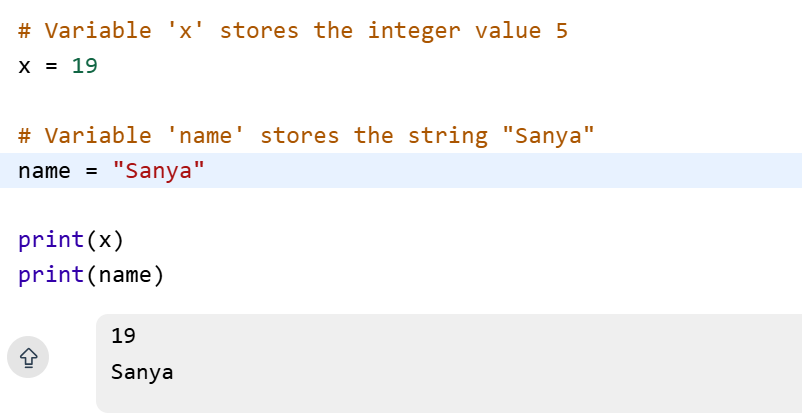
In Python, variables are used to store data that can be referenced and manipulated during program execution. A variable is essentially a name that is assigned to a value.
- Unlike Java ,C and many other languages, Python variables do not require explicit declaration of type.
The type of the variable is inferred based on the value assigned.
https://www.geeksforgeeks.org/python/python-variables/
Rules for Naming Variables
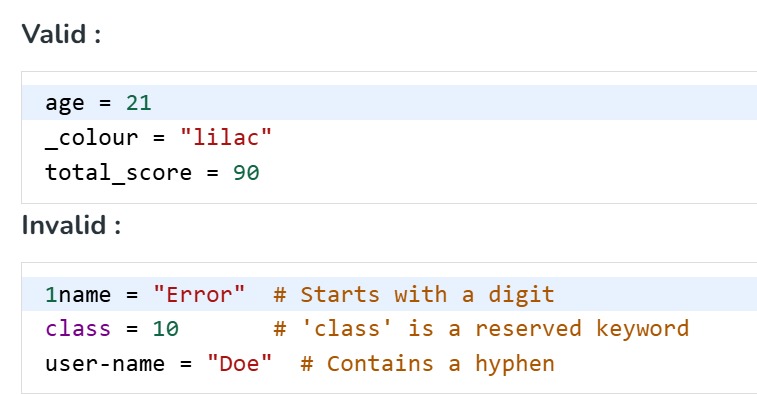
To use variables effectively, we must follow Python’s naming rules:
-Variable names can only contain letters, digits and underscores (_).
-A variable name cannot start with a digit.
-Variable names are case-sensitive (myVar and myvar are different).
-Avoid using Python keywords (e.g., if, else, for) as variable names.
https://www.geeksforgeeks.org/python/python-variables/
Assigning Values to Variables
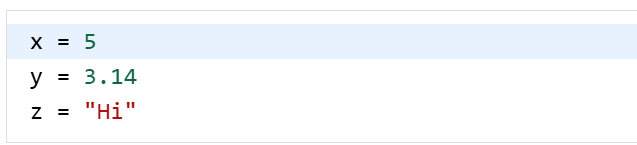
Variables in Python are assigned values using the = operator.
Dynamic Typing
Python variables are dynamically typed, meaning the same variable can hold different types of values during execution.

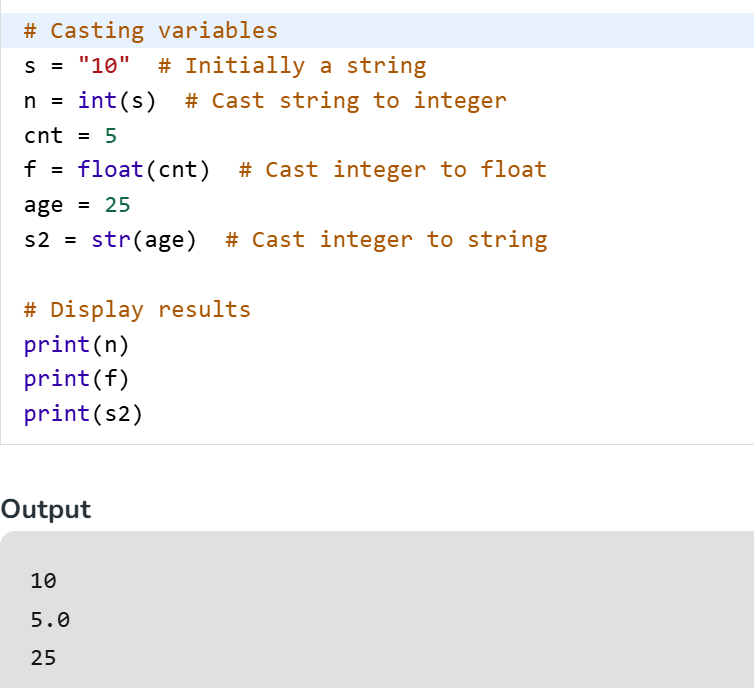
Basic Casting Functions
int() - Converts compatible values to an integer.
float() - Transforms values into floating-point numbers.
str() - Converts any data type into a string.
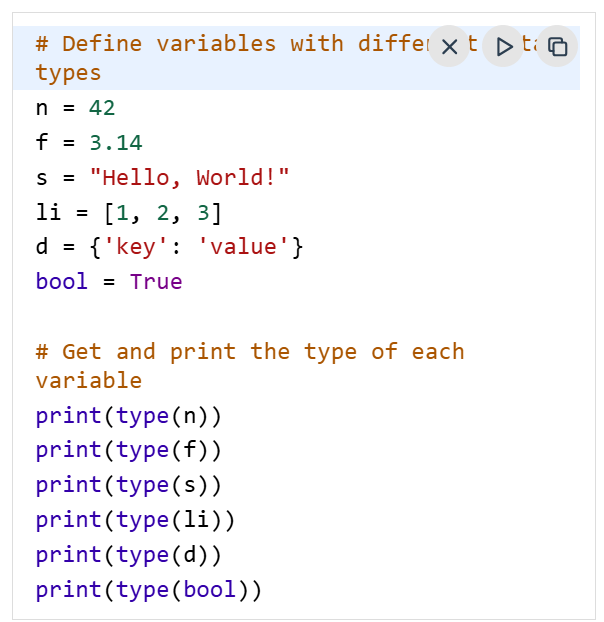
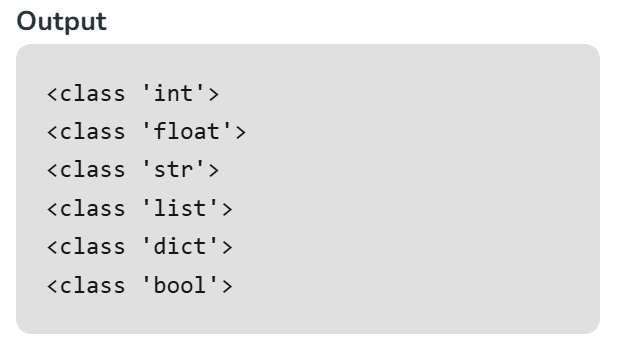
In Python, we can determine the type of a variable using the type() function. This built-in function returns the type of the object passed to it.
 https://www.w3schools.com/python/python_strings.asp
https://www.geeksforgeeks.org/python/introduction-to-python/
https://www.w3schools.com/python/python_strings.asp
https://www.geeksforgeeks.org/python/introduction-to-python/